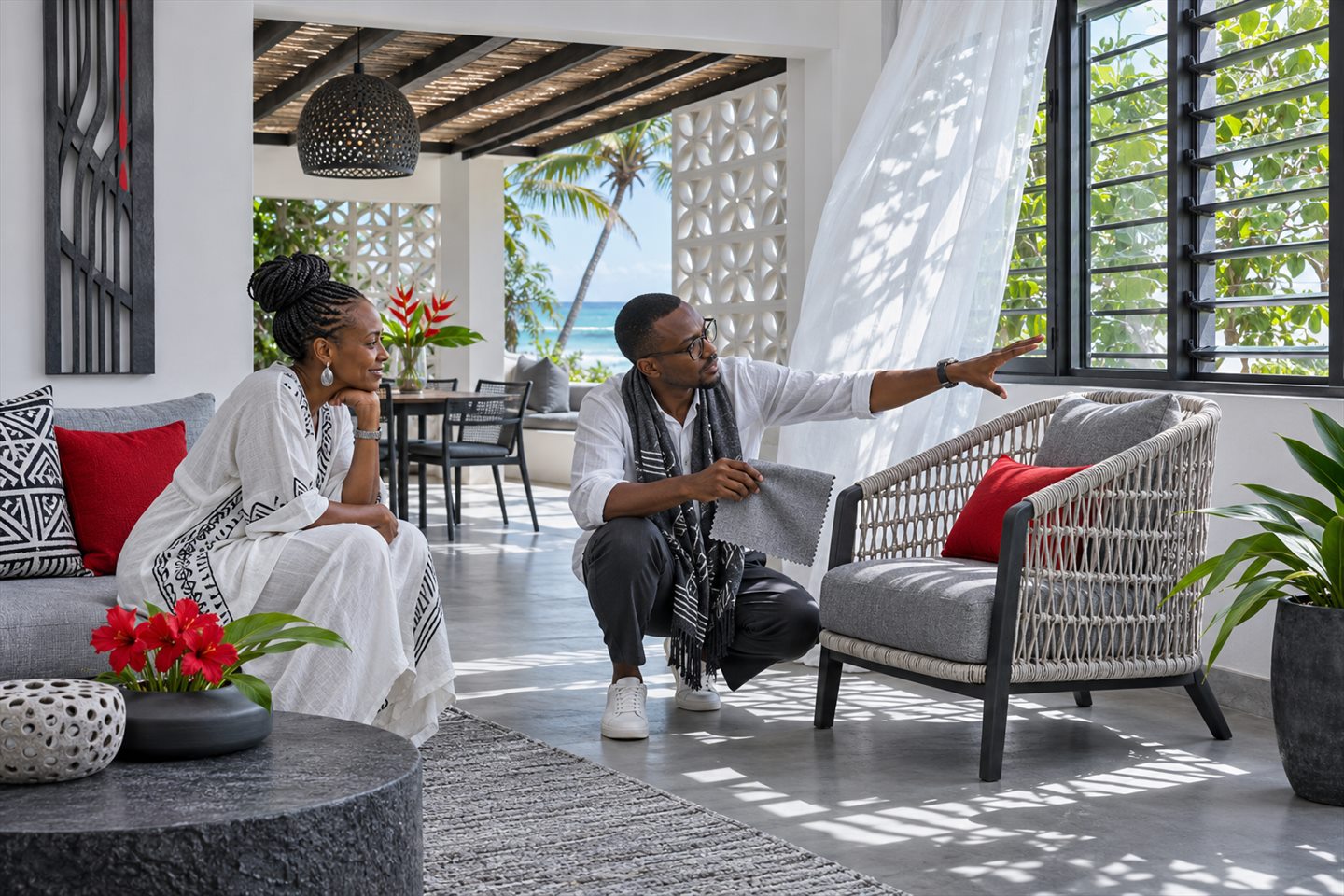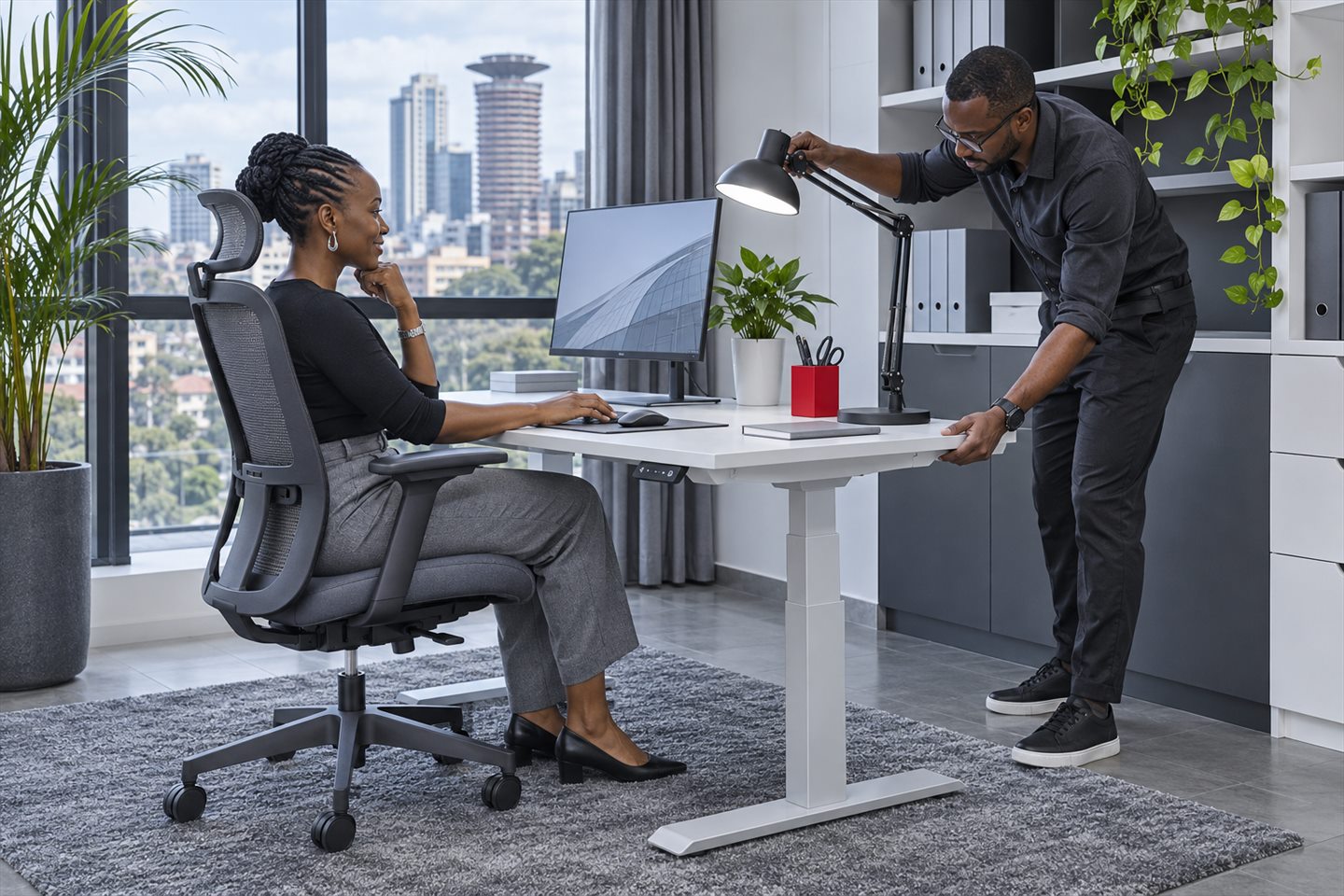
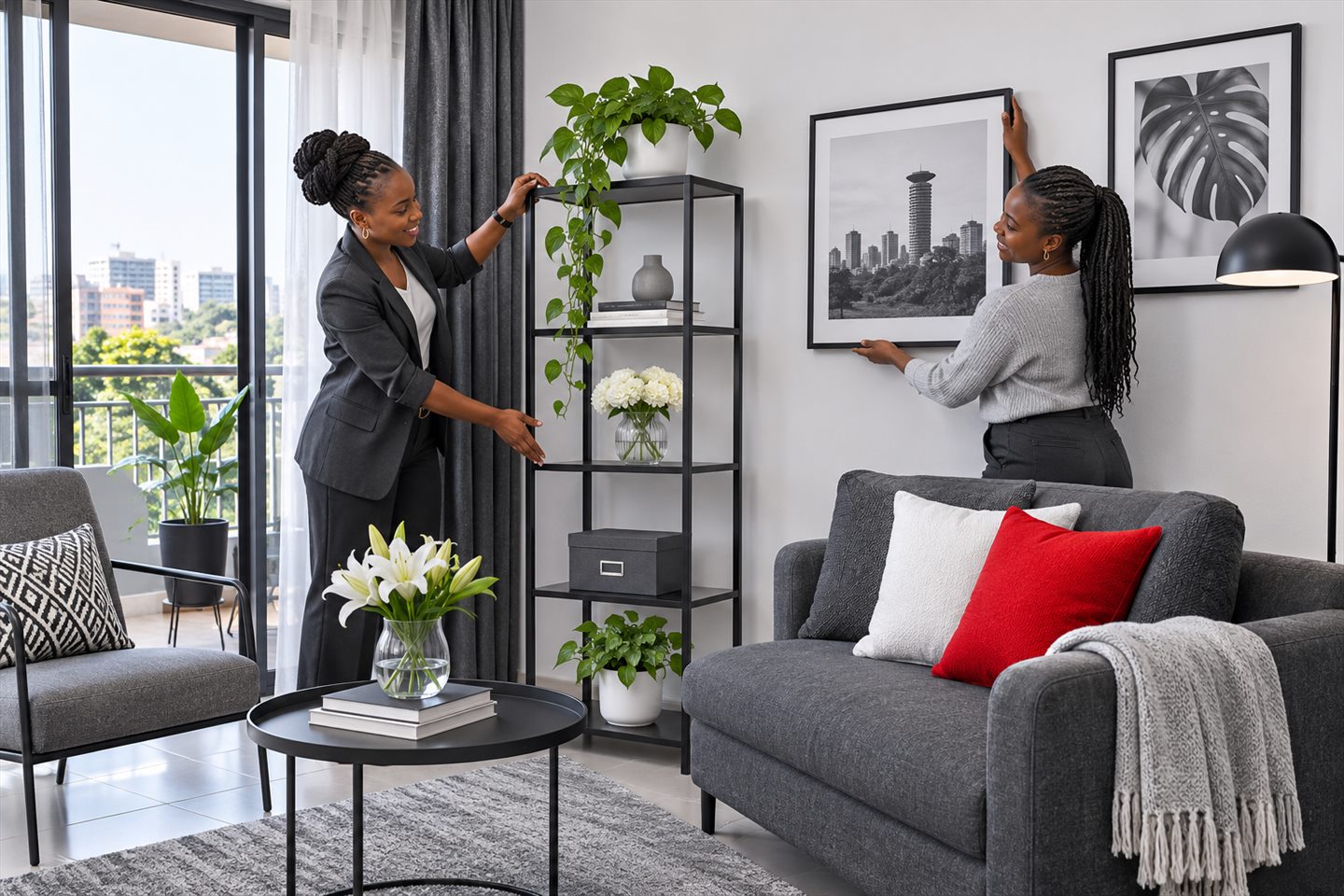
A rental home can feel personal without making changes that are difficult to reverse. Begin by reviewing the tenancy agreement and asking the landlord or property manager what is allowed. Get written approval before repainting, drilling, changing fixtures or making any other permanent alteration.
Start with layout and portable pieces
Measure the rooms and identify how you need to use them. A rug, freestanding shelf, compact dining table or well-sized sofa can define a zone without changing the building. Check the delivery route before buying large furniture, and choose pieces that can move with you if your next home has different dimensions.
Use storage that travels
Baskets, modular units, freestanding wardrobes and under-bed storage can make daily routines easier without fixing cabinetry to the walls. Avoid blocking ventilation, windows or access to utilities. If a unit must be secured for safety, ask the landlord about an approved method and repair responsibility.
Make reversible visual updates
Textiles, freestanding lighting, framed artwork, plants suitable for the space and removable accessories can add colour and character. Confirm whether adhesive hooks or removable coverings are safe for the existing paint and surface. Test a small area first and keep the product’s removal instructions.
Choose finishes for care and moving
Protect floors with appropriate pads or rugs and use covers that can be cleaned. Keep a record of the property’s original condition and any approved changes. Before moving out, follow the agreement for repairs and reinstatement.
Plan a small budget in stages
Start with essentials that improve comfort and function, then add decorative items gradually. Prioritise pieces that can serve more than one role. Keep purchase receipts, sizes and assembly information to simplify future moves.
Read our apartment design guide for layout ideas and our style guide for choosing a direction. Explore the IDAK directory if you need professional support for permitted upgrades.