
The right interior design style is one you can live with and maintain, not simply one that photographs well. Begin with the architecture, the things you already own, how the rooms are used and what you want to change. Then use references to communicate preferences rather than to copy a complete room.
Collect references with a purpose
Save examples of rooms, furniture, art and materials that appeal to you. For each image, note what stands out: light, colour, texture, simplicity, storage or the way furniture is arranged. Also note what you would not want in your own home. This helps a designer identify the qualities behind a reference.
Consider the existing home
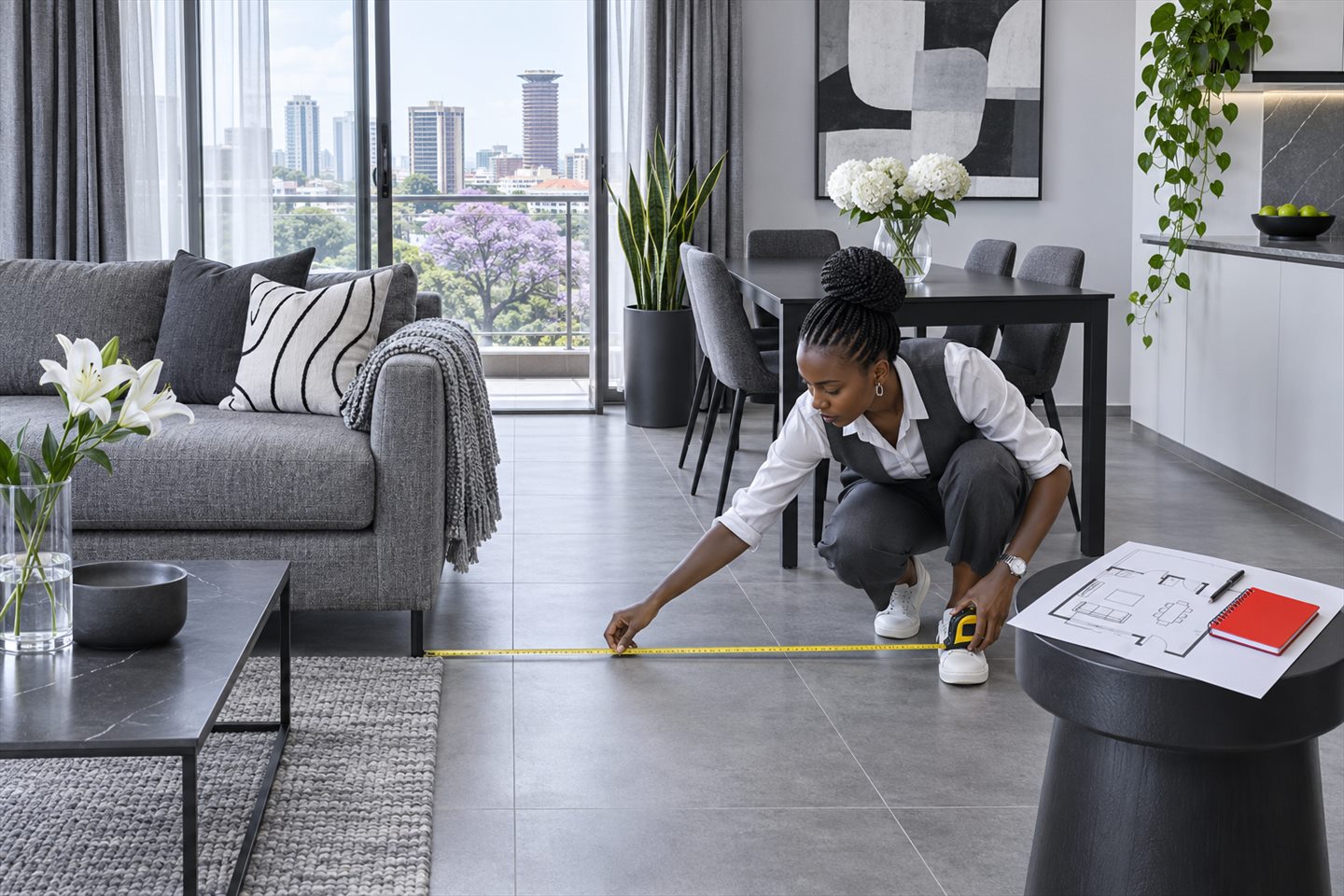
Think about ceiling height, daylight, floor finishes, window positions and the relationship between rooms. A design direction should respond to these conditions rather than fight them. If permanent changes are planned, understand the building constraints and approvals before settling on a concept.
Choose materials you can care for
Ask how proposed fabrics, floor finishes, timber, stone and painted surfaces should be cleaned and maintained. Check availability and replacement options with local suppliers. A beautiful finish that is difficult to repair or clean may not suit a busy household or a rental property.
Build a palette with room to evolve
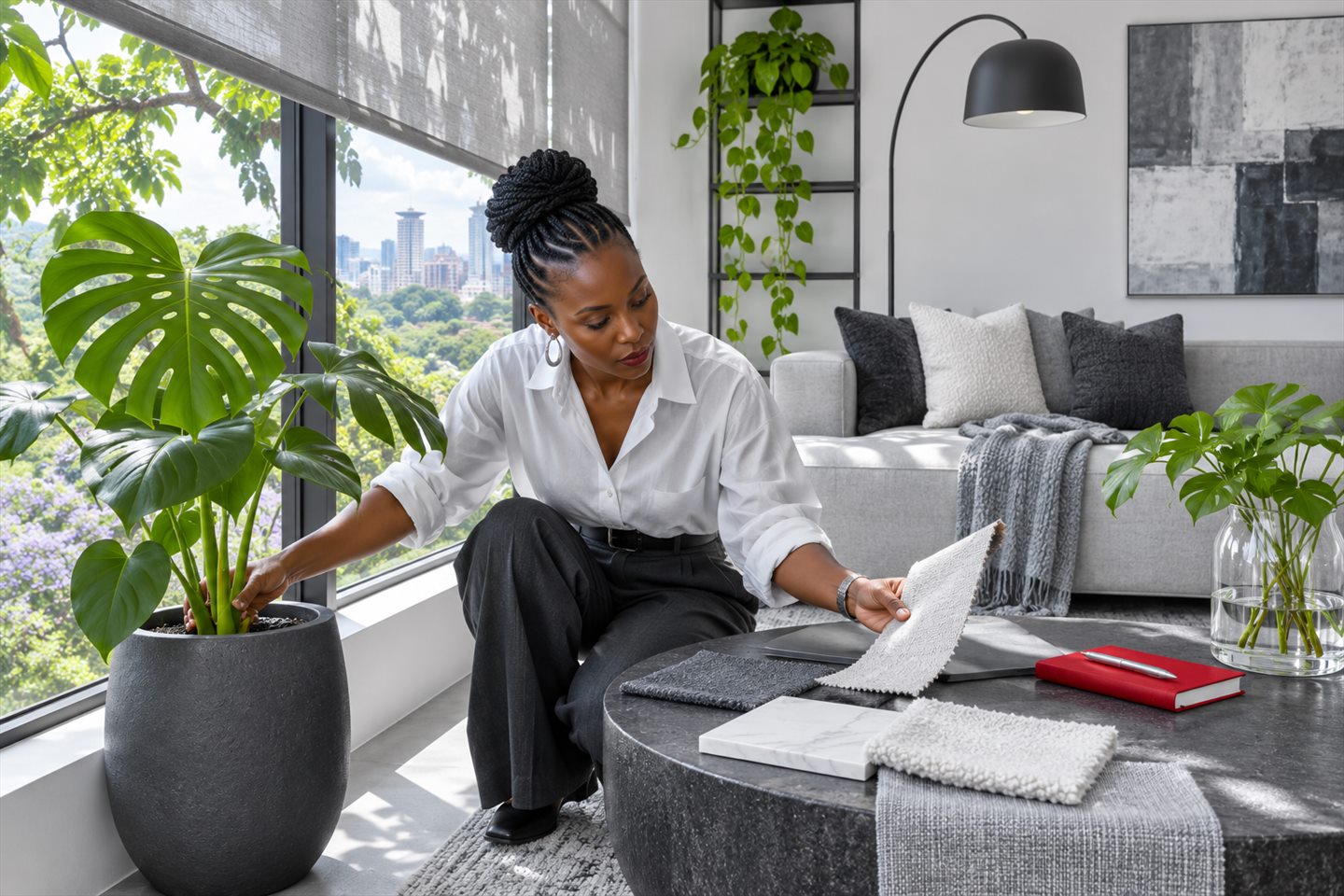
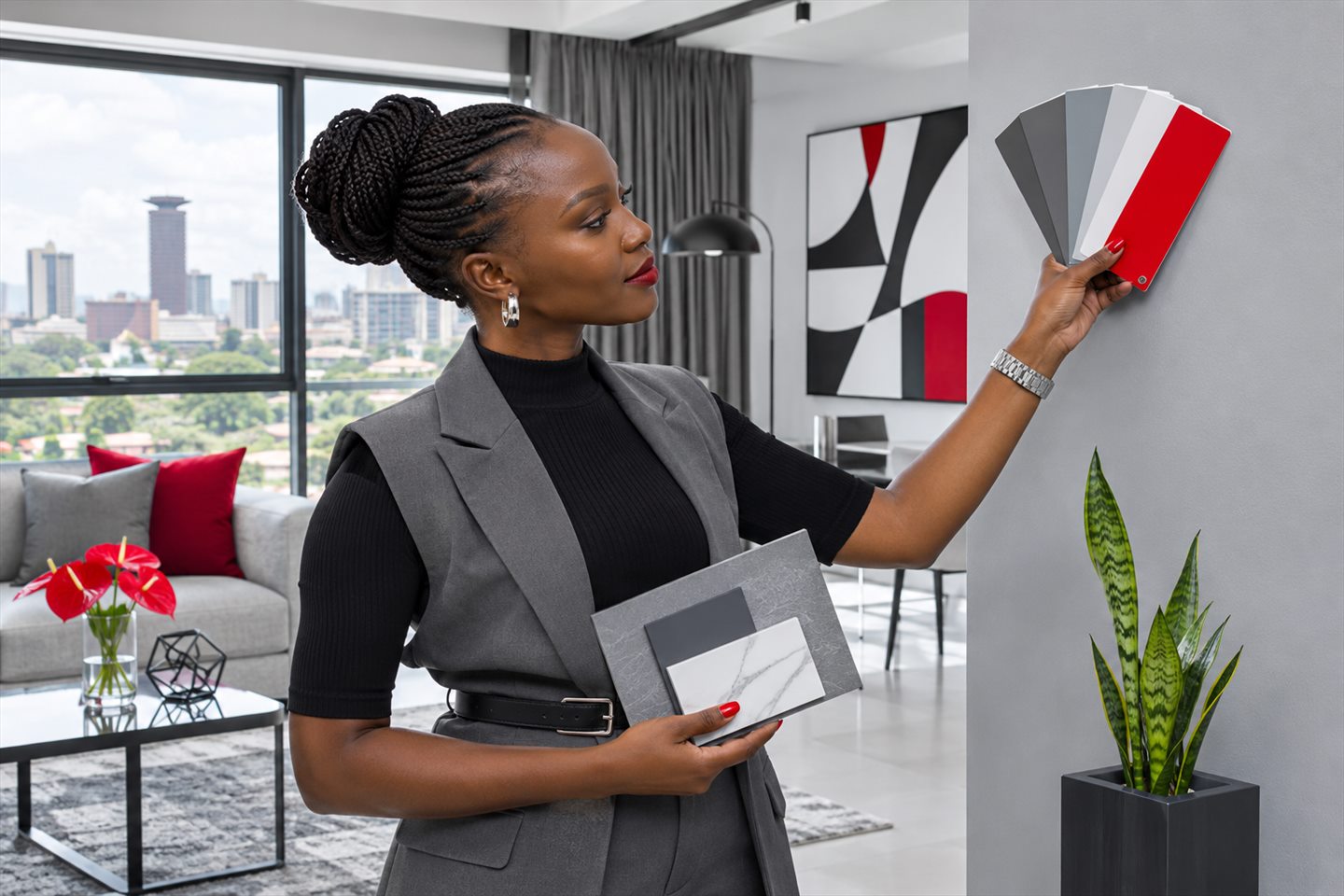
Select a small set of main materials and colours, then add accents through pieces that are easier to change. Test paint and fabric samples in the actual room at different times of day. Kenyan homes vary in light, ventilation and climate; a sample viewed in a showroom may look different at home.
Keep the style personal
Artwork, objects and locally made pieces can give a scheme character without turning the room into a theme. Prioritise what matters to the people who use it. A designer can help connect these personal choices with the practical layout.
For more on building a palette, read our colour guide. Start with the brief template and explore the IDAK directory if you want professional input.