Biophilic interior design describes ways to strengthen a connection between indoor spaces and nature. A project may use daylight, views, plants, natural textures, patterns inspired by nature or a more direct relationship between indoor and outdoor areas. The approach should suit the building, the users and the time available for upkeep.
Work with daylight and views
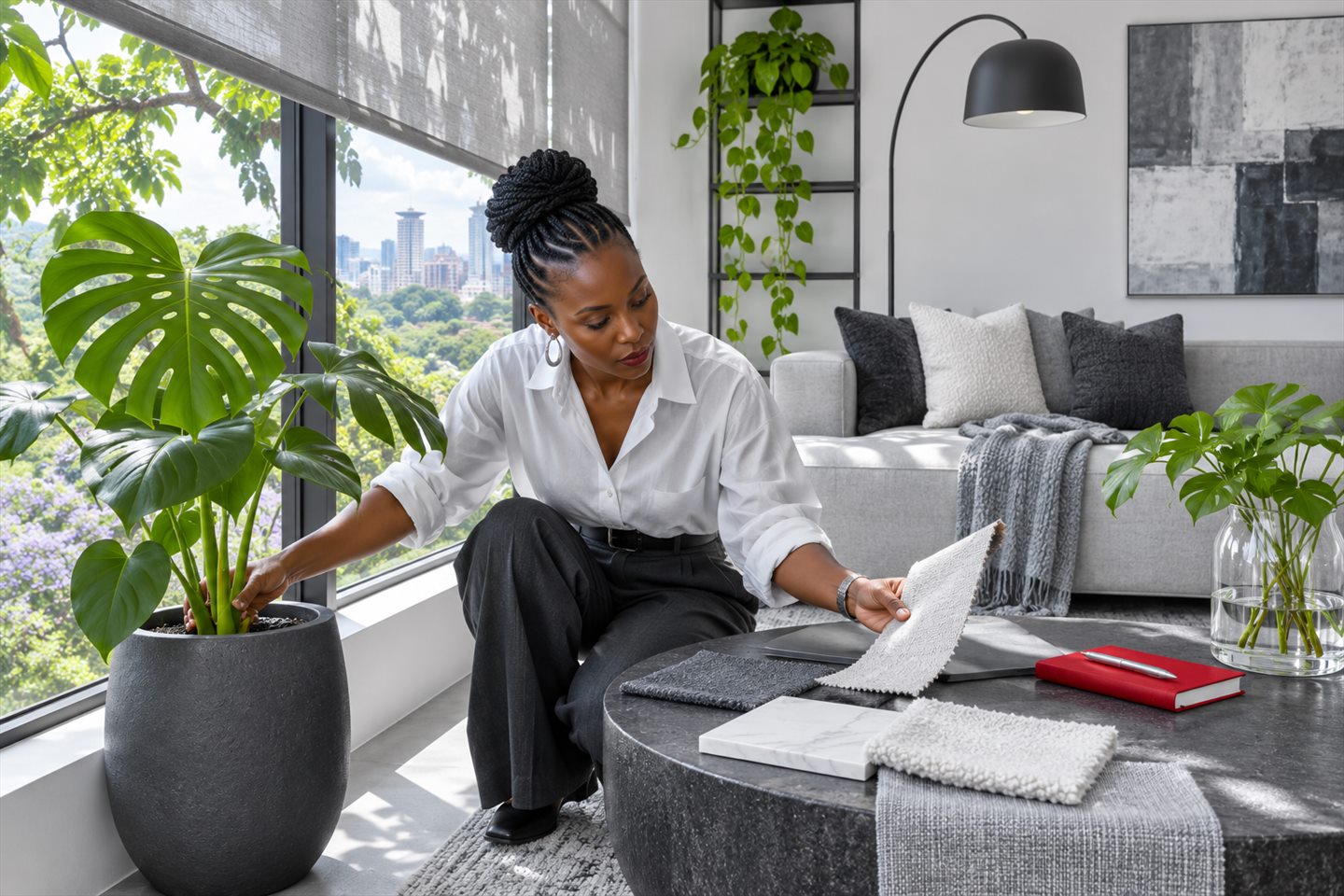
First understand how sunlight moves through the room and whether it creates glare or heat at particular times. Keep useful window views open where possible, arrange seating to benefit from natural light and use window treatments to balance daylight and privacy. Coordinate any change to windows or shading with the appropriate building professionals.
Choose plants for the actual conditions
Light, airflow, watering habits and space affect whether an indoor plant will thrive. Ask a knowledgeable plant supplier about species and care for the conditions in your room. Check whether plants are appropriate for households with children or pets, and plan where excess water will go so floors and furniture are protected.
Use natural materials thoughtfully
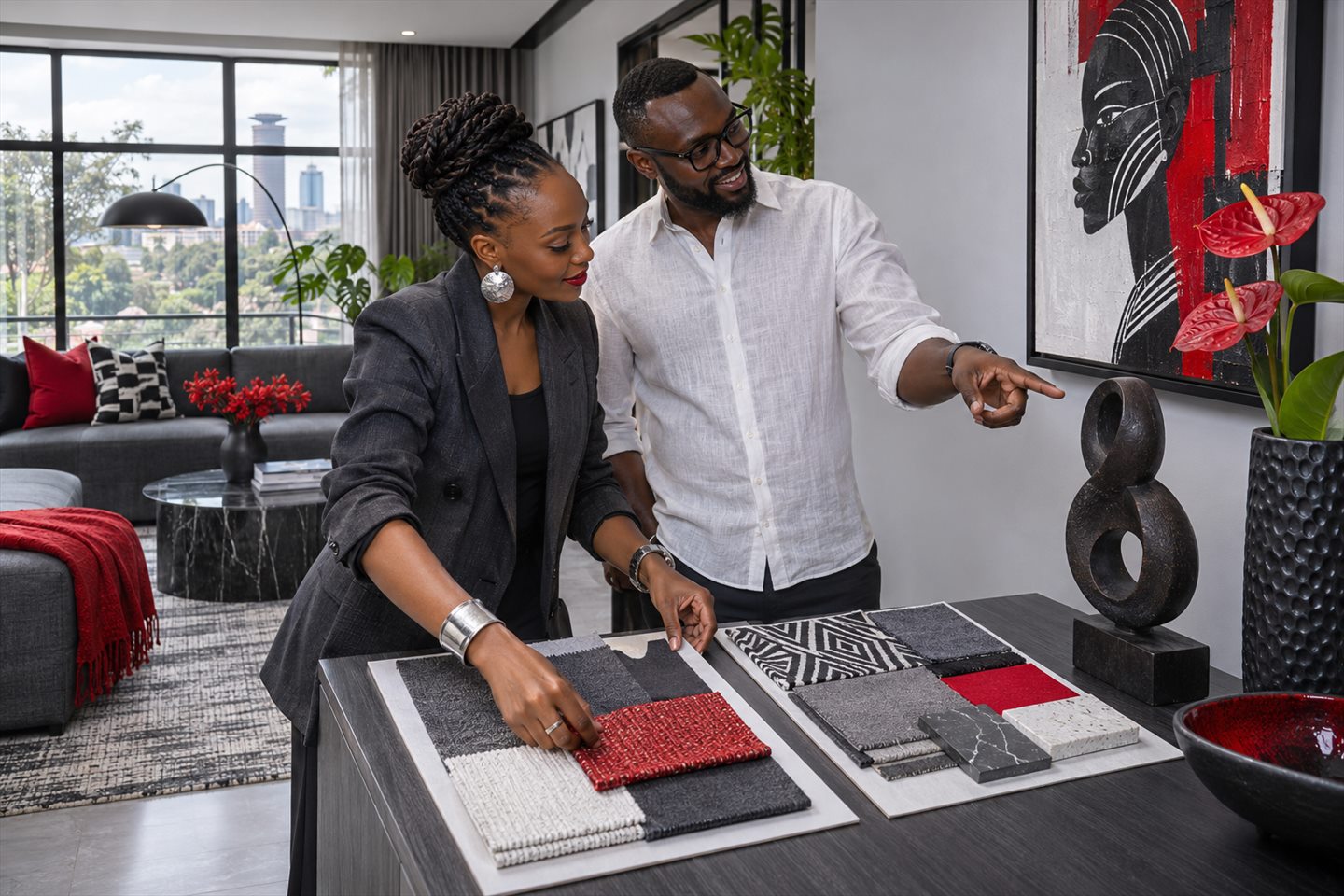
Timber, stone, woven fibres and other tactile materials can add variation and a sensory connection to nature. Ask suppliers about sourcing, finishes, maintenance, repairs and replacement. Material choice should reflect the project’s conditions and the maker’s instructions, not just the aesthetic.
Bring the landscape into the design
Nature references can appear through artwork, botanical forms, natural patterns, filtered light, views or a palette informed by the surrounding environment. A room does not need to become a jungle to feel connected to nature. A few well-planned elements may work better than many items that are difficult to maintain.
Include care in the brief
Ask who will water plants, clean textured surfaces and maintain window treatments. If no one can provide ongoing care, choose a simpler scheme. Keep the project’s environmental intentions specific: record material origin or maintenance claims rather than relying on broad labels such as “eco-friendly.”
For guidance on material decisions, see our sustainable interiors guide. Learn about light in the layered lighting guide and explore the complete Kenya interior design guide.