
Child-friendly interior design is about helping children and adults use a home comfortably while making sensible decisions about movement, storage and maintenance. No single finish or layout makes a home completely safe. Match the design to the children’s ages, abilities and routines, and follow product instructions and relevant professional advice.
Keep routes easy to see and use
Plan clear paths between the entrance, bedrooms, bathroom and shared areas. Avoid placing loose furniture or decorative items where people need to pass. In a family room, decide where children play and where adults need to move with hot food, laundry or bags.
Check stability and edges
Choose furniture that suits the room and consider whether tall units need to be secured according to the manufacturer’s guidance. Review sharp corners, glass surfaces, cords and small detachable pieces based on the child’s age. For electrical, window or structural safety changes, seek appropriate qualified advice.
Give everyday items a home
Open bins or low shelves can make toys easier to put away, while closed storage helps manage visual clutter. Keep cleaning products, medicines, tools and fragile items out of reach using suitable storage. Leave enough floor area for play and choose baskets or furniture that are easy for the household to maintain.
Select finishes for real life
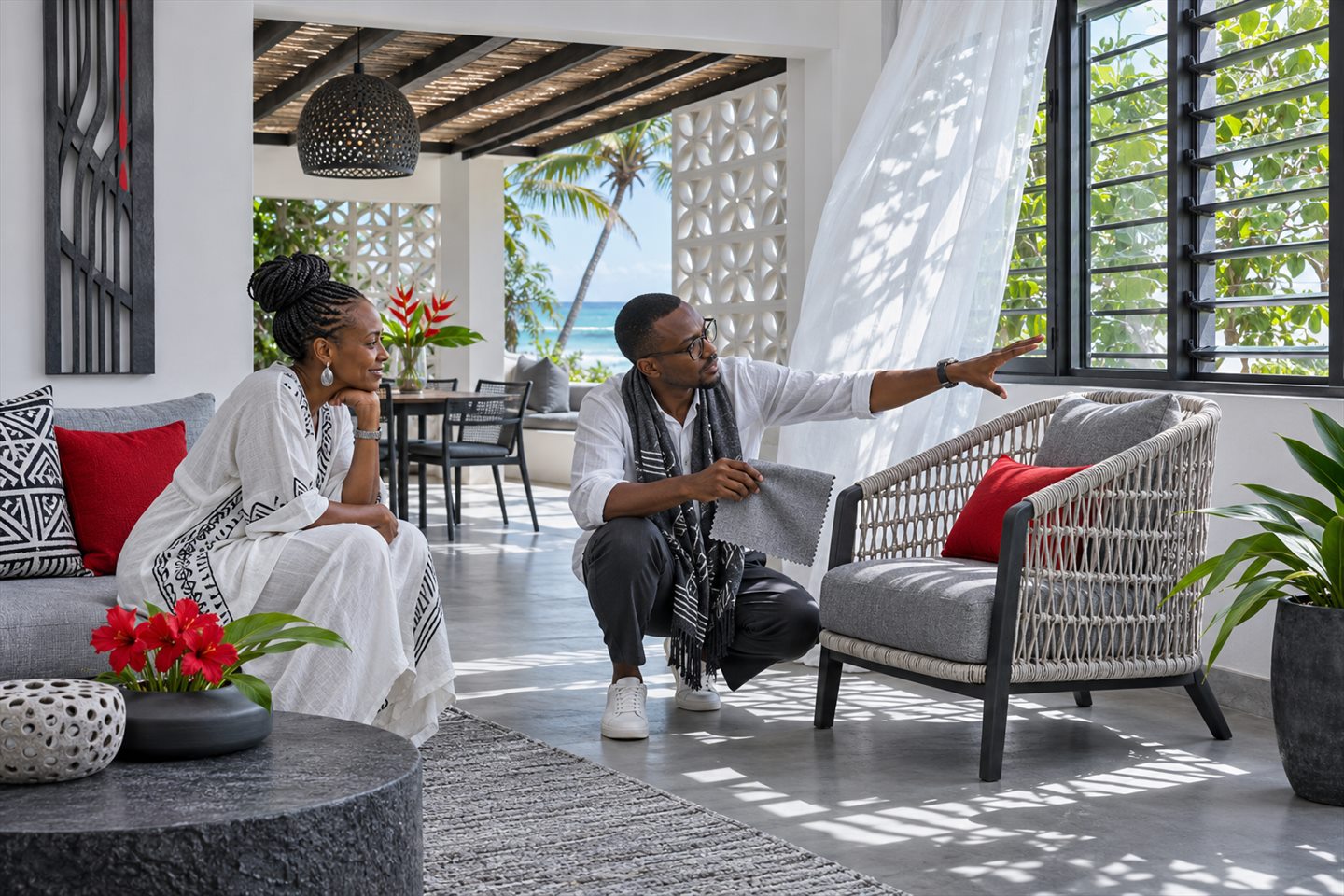
Ask suppliers about cleaning methods, stain treatment, repair and replacement. Samples can show how a material looks, but the technical guidance explains how it should be used. A washable surface may be practical in one zone while a softer finish suits another; choose according to use rather than applying one rule everywhere.
Let the room change over time
Children’s needs change. Flexible storage, movable furniture and neutral fixed elements can make a room easier to update without starting over. Avoid ordering highly specific built-ins until you understand how they will be used and maintained.
For broader family needs, read our guide to accessible interiors and space planning. Find design professionals through the IDAK directory.