Nairobi's interior design scene is becoming more confident, more layered, and more responsive to the realities of how people live and work. The most interesting trend is not a single color or material. It is the move toward interiors that feel more intentional: spaces that support wellbeing, adapt to changing routines, and reflect a stronger sense of place.
That shift is visible across residential and commercial projects alike. Apartments and private homes are balancing calm with character. Offices are moving away from purely corporate formality toward environments that support collaboration, focus, and hospitality. In both cases, interior design trends in Kenya are becoming more people-centered.
Warmer material stories
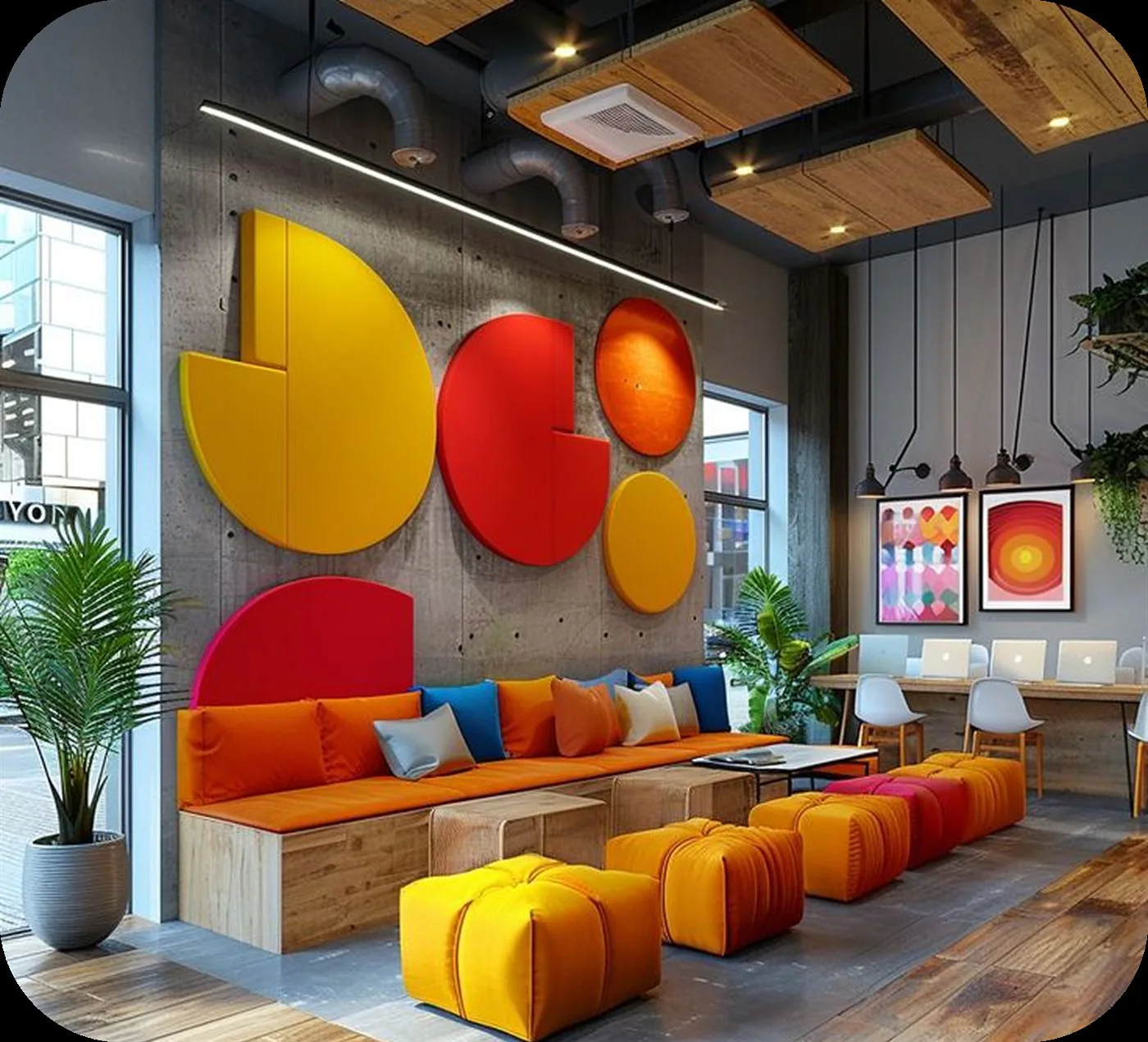
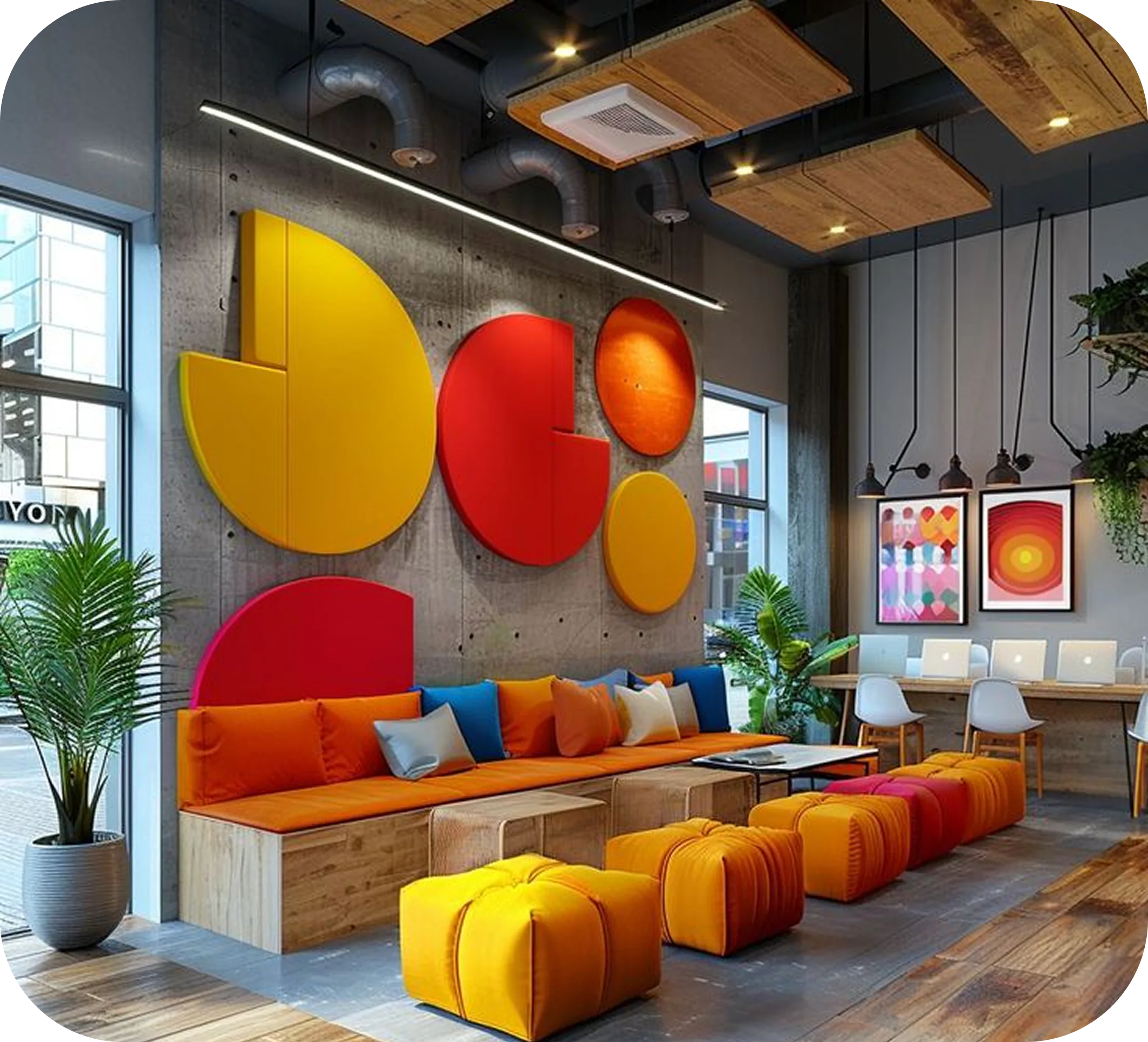
Designers are leaning into warmer palettes, tactile finishes, timber tones, textured fabrics, and layered lighting. These choices create interiors that feel grounded rather than overly sterile. The effect is especially strong in Nairobi homes where clients want contemporary spaces that still feel welcoming and lived in.
For offices, the same warmth often appears through better breakout spaces, softer meeting rooms, acoustic surfaces, and hospitality-inspired waiting areas. That reflects a broader understanding that workplace design affects both culture and performance.
Flexible planning
Flexibility remains one of the strongest trends because users expect more from every square metre. Homes need corners for work, reading, or study without losing comfort. Offices need settings for focused work, group interaction, and informal conversations. Designers are responding through movable zoning, better storage, layered lighting, and furniture that supports multiple uses.
This is one reason qualified interior designers in Kenya remain important even when the visual brief seems straightforward. Trends only work when they are translated into layouts and details that suit actual behaviour.
Wellness and local relevance
Clients are also paying more attention to wellness, daylight, airflow, acoustics, and ease of maintenance. These concerns are not separate from design style. They are becoming part of what good taste means. At the same time, there is growing interest in local materiality, regional craftsmanship, and design identities that feel rooted instead of generic.
IDAK's wider community of designers, suppliers, and partners helps strengthen this direction by connecting design thinking to the broader ecosystem. Trends become more meaningful when they are supported by good procurement, real technical knowledge, and strong professional collaboration.
Trend awareness should still serve the brief
Not every trend belongs in every project. The best interiors remain grounded in use, budget, and long-term relevance. Good designers know how to interpret current movements without making a space feel temporary. That is especially important for offices, hospitality environments, and high-investment residential projects.
Next step: browse IDAK member profiles, learn more about the association's design philosophy, or contact IDAK if you want to connect current trends to a real project brief.