
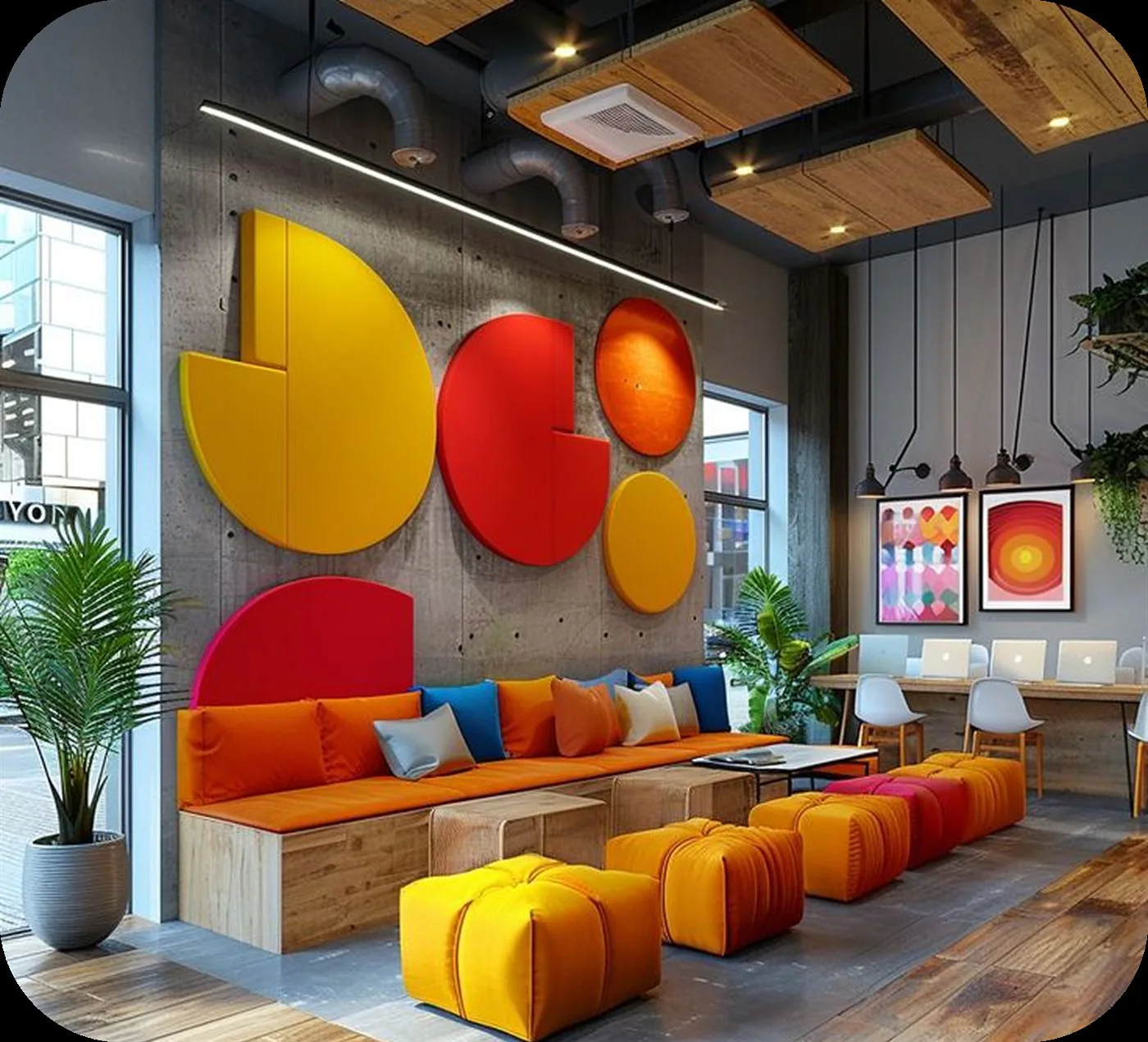
Residential interior design in Kenya is entering a more thoughtful era. Clients are asking different questions than they did a few years ago. They still care about beauty, but they are also thinking more about wellness, adaptable layouts, maintenance, energy use, storage, family routines, and long-term value. That shift is shaping the future of how homes are planned and experienced.
As cities grow and lifestyles change, homes are expected to do more. A living room may also need to host quiet work, online learning, or informal entertaining. An apartment kitchen may need to feel efficient without becoming visually cramped. A family home may need to support multigenerational use, better daylight, and more durable finishes. These are exactly the kinds of spatial questions that make professional residential interior design increasingly important in Kenya.
Wellness and quality living are no longer secondary
IDAK consistently positions interior design as a quality-of-life discipline. In homes, that means designers are paying closer attention to daylight, ventilation, acoustic comfort, healthy materials, and how people move through space. A well-resolved home supports rest, concentration, social connection, and dignity. It is not only a lifestyle image; it is an everyday environment that affects mood and wellbeing.
That focus is especially relevant in urban settings where square footage may be limited and users expect more from every room. The best residential interior designers in Kenya are therefore balancing aspiration with real daily performance.
Smarter use of space
The future of residential interiors is not only about making homes look larger. It is about making them work harder without feeling overdesigned. Better zoning, custom storage, layered lighting, multipurpose furniture, and material continuity can radically improve how a home functions. In the Kenyan market, this is becoming important for apartments, townhouses, rental investments, and renovation projects alike.
Clients who are comparing options can start by exploring designer profiles and project strengths in the IDAK directory. Looking at how different professionals approach family homes, apartments, or high-end residences often reveals whether their process matches the needs of the project.
Local material intelligence and sustainability
The conversation around sustainability is becoming more practical. Residential clients are asking how to choose durable finishes, reduce waste, support local production, and avoid frequent replacement cycles. Good design responses may involve better joinery planning, lower-maintenance materials, more responsible specification, or stronger collaboration with local makers and suppliers.
IDAK's wider network of professionals and industry suppliers helps strengthen that conversation because sustainability is rarely solved by a single material decision. It comes from design thinking, procurement discipline, and long-term use.
The Kenyan home of the future
Looking ahead, Kenyan residential interiors will likely become more human-centered, more flexible, and more locally grounded. Technology, wellness, and thoughtful craftsmanship will continue to shape expectations. But the biggest shift may be cultural: more clients now understand that residential interior design is not about surface styling alone. It is about planning how life happens inside a home.
Next step: if you are planning a new home or renovation, review the IDAK designers directory, read more design insights from the association, or reach out to IDAK for guidance on connecting with qualified professionals.