
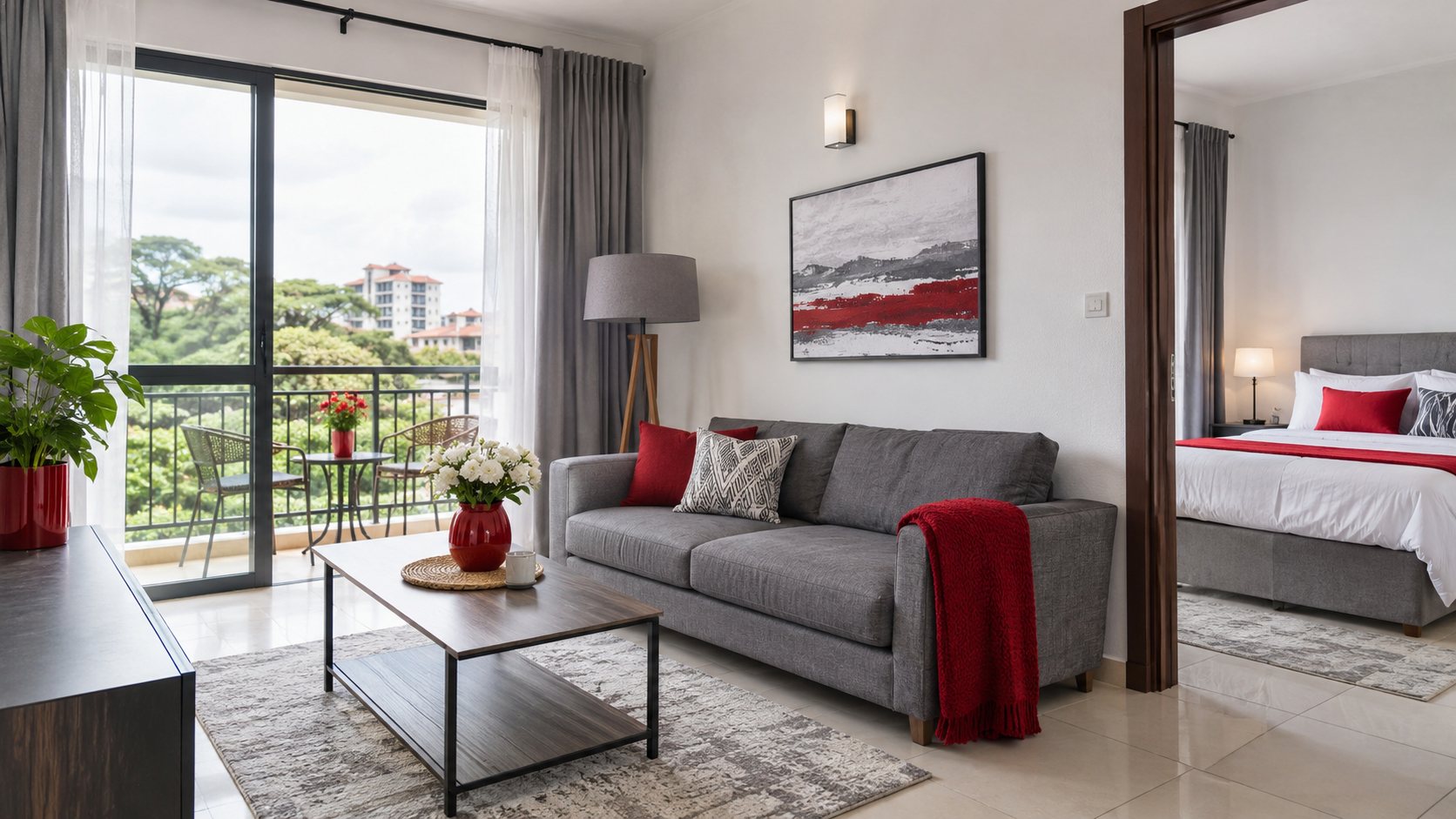
For a one-bedroom apartment, decide whether your first spend should improve sleep, cooking, storage or hosting.
1. Measure before shopping
Measure doors, corridors, windows and fixed points, then record the dimensions of your bed, sofa, dining table and appliances. Ask the designer to fit the pieces you already own before proposing replacements. Request separate prices for joinery and moveable furniture so you can phase the work, and approve substitutions before a supplier orders them.
2. Decide how the living room will work
If you work from home, identify whether a desk must remain open all day or can be folded away. Position seating without blocking circulation, and check that dining chairs can be pulled out. Measure existing pieces before replacing them.
3. Plan the bedroom around daily use
Consider bed size, bedside access, wardrobe openings and luggage storage. If storage is limited, decide which belongings can live outside the bedroom rather than crowding the bed. For custom wardrobes, agree on internal fittings and finish samples before fabrication.
4. Confirm permissions and scope
Ask the landlord or building manager about work hours, alterations and delivery rules. Separate design fees, furnishings, labour and deliveries when comparing budgets. You can ask a designer for a plan first and implement it in phases if that service is offered.
5. Review before you order
Test the proposed layout against everyday activities and confirm product dimensions, stock and delivery. Browse the IDAK directory to find available professionals, and use the space-planning guide to prepare questions.
Related guide: Apartment Interior Designers in Nairobi: What to Ask Before Hiring.