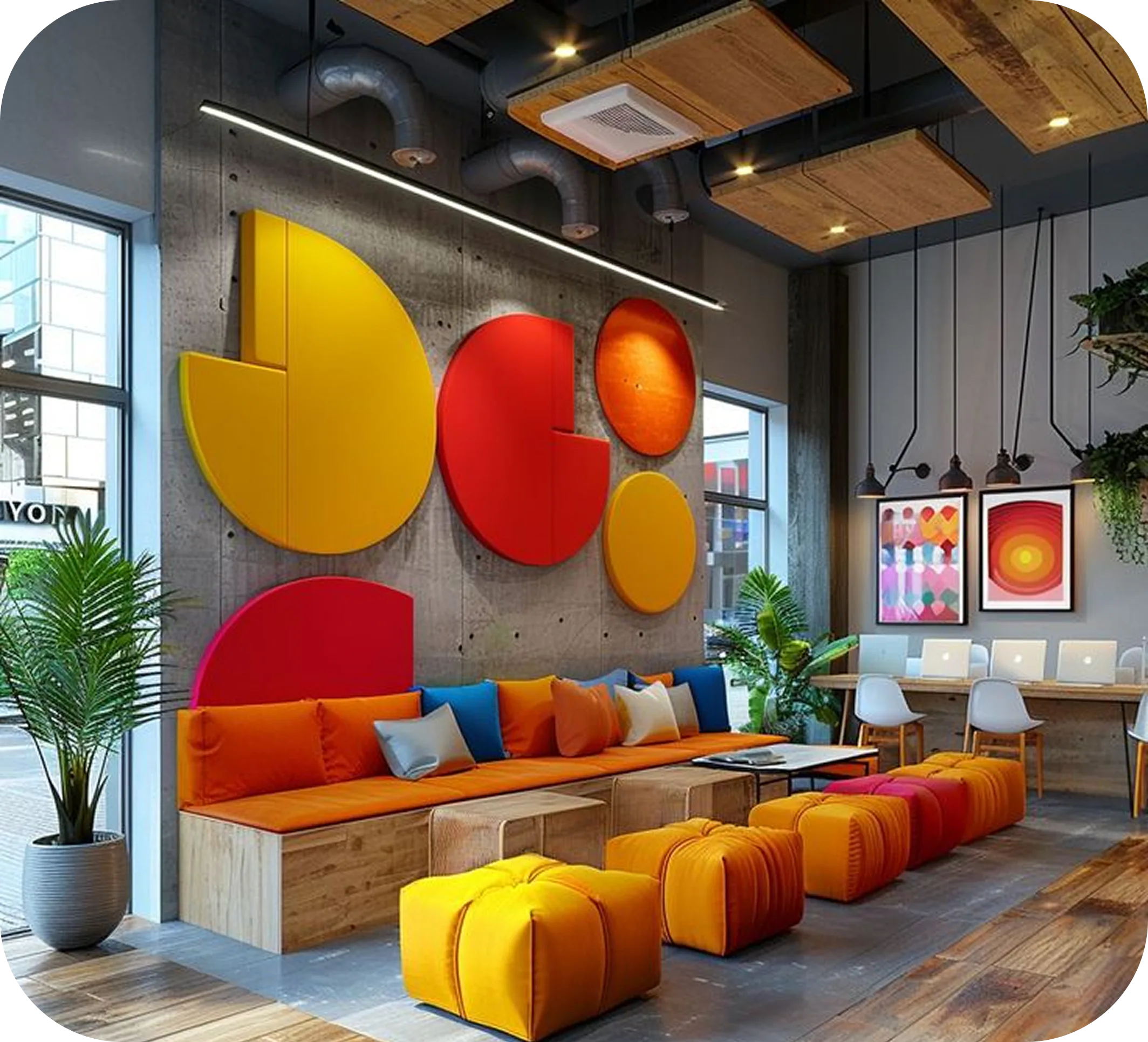
Hospitality design has to work for guests and for the people who operate the venue. A restaurant, hotel, café, or guesthouse needs a clear experience from arrival through service and departure, with staff movement, cleaning, storage, and maintenance considered at every stage.
Start with the guest journey
Map what a visitor sees and does: arrival, reception or greeting, waiting, seating, ordering, service, payment, and exit. Identify where people may hesitate or cross paths. A thoughtful plan can make the space easier to understand without relying on signs for every decision.
Plan staff routes and support areas
Service areas, storage, staff facilities, deliveries, waste, and cleaning equipment need to function alongside guest spaces. Ask the operator to describe peak periods, service methods, and tasks that happen behind the scenes. These details affect the location of counters, storage, furniture, and circulation.
Choose finishes with care and maintenance in mind
Hospitality spaces receive repeated use. Ask suppliers about cleaning instructions, repair options, replacement availability, and how a finish looks after regular use. For seating and tables, consider comfort, stability, layout flexibility, and how the team will clean around them.
Express local identity with intention
Art, craft, colour, materials, and storytelling can give a venue a strong sense of place. Use those elements in ways that connect to the operator's purpose and audience. If locally made objects or finishes are part of the concept, confirm lead times, quantities, installation requirements, and care before they are specified.
Coordinate the design team early
Hospitality projects can involve interior designers, architects, engineers, contractors, suppliers, and operators. Agree who is responsible for each decision and how information will be shared. Changes to building services or fixed elements should be coordinated with the appropriate project professionals and property representatives.
Businesses can read IDAK's commercial design guidance and browse the IDAK designers directory to identify professionals working across commercial and hospitality spaces.